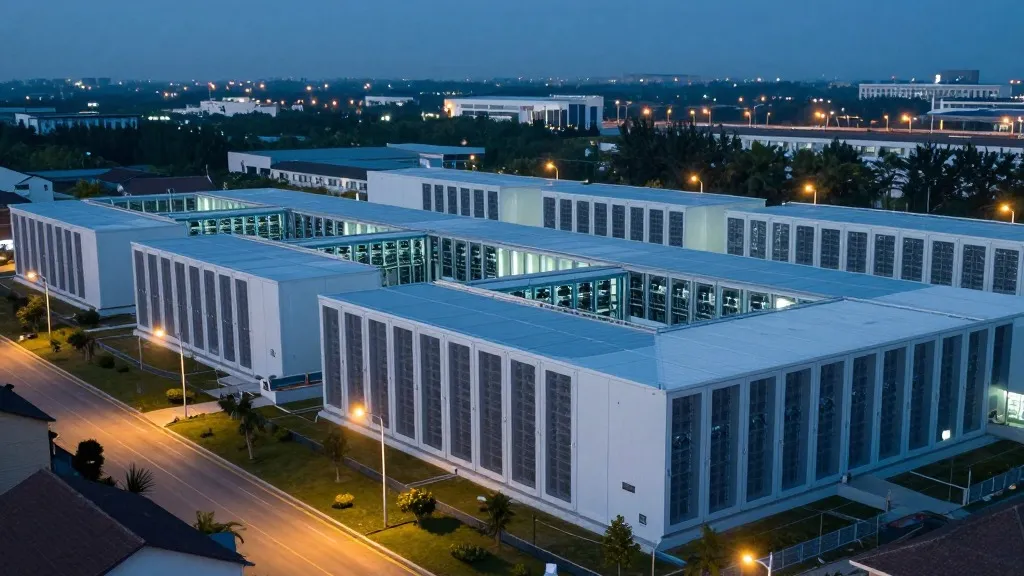
Northern Virginia Real Estate: Amazon Withdraws Data Center Plans Amid Local Pressure
Amazon has scrapped its proposal to build four data centers in Loudoun County, opting instead to develop the former university campus into housing and community spaces.
By Ama Boateng ·
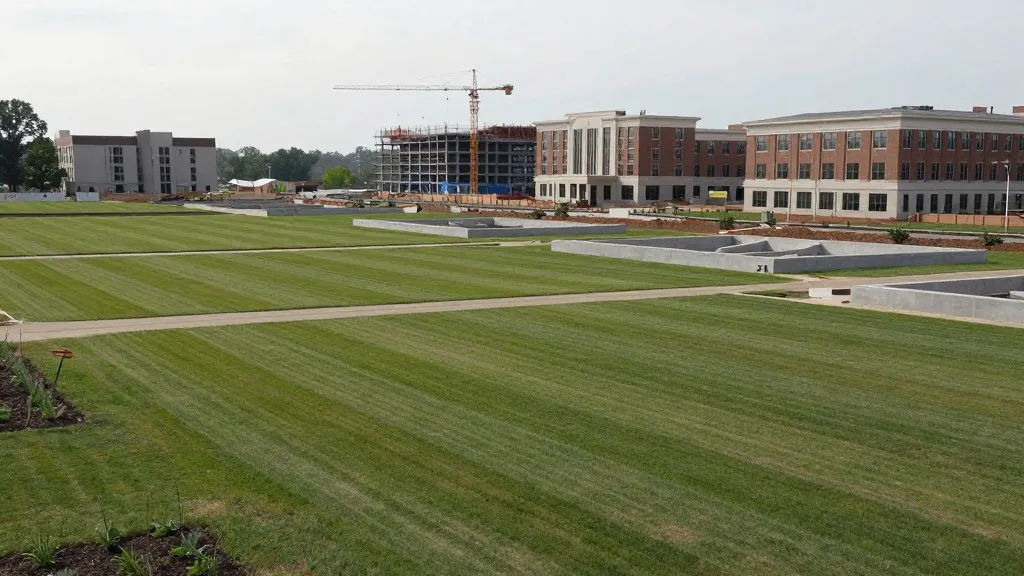
Amazon has officially abandoned its proposal to construct four new data centers on a 122-acre site in Loudoun County, Virginia, marking a significant shift in the tech giant's expansion strategy in the region. Instead of the planned digital infrastructure, the company will repurpose the majority of the land for mixed-use and residential development. In a further concession to local stakeholders, Amazon will donate 25 acres of the property to Loudoun County for the construction of a community arts center and a new recreational facility. Additionally, the company has committed $5 million to the county’s housing fund, a package of concessions that directly addresses the primary concerns raised by residents during the planning phase.
This development represents a notable reversal for a company that had initially moved swiftly to acquire the property. The site, formerly part of George Washington University’s campus, is located in a region already known as 'Data Center Alley' due to its high concentration of computing facilities. Amazon submitted its initial proposal in July, but the project faced immediate scrutiny. By September, the company entered into direct discussions with Loudoun County Board of Supervisors Chair Phyllis J. Randall. During these talks, county officials suggested that an alternative use for the land might be preferable to the community, a recommendation Amazon ultimately accepted to avoid potential legal disputes.
The decision to pivot stems from a broader tension between the rapid growth of artificial intelligence and the capacity of local infrastructure to support it. While the demand for cloud services and AI processing power has driven a boom in data center construction, local communities have grown increasingly wary of the environmental and economic impacts. Key concerns include the noise generated by cooling systems and the substantial electricity required to keep these facilities running, which has led to visible spikes in local energy prices. This friction has prompted officials in various jurisdictions to reconsider their stance on new buildouts, favoring dialogue over default approval.
Amazon’s vice president for data center development, Josh Weissman, acknowledged that the company had initially viewed the site as an ideal opportunity for expansion. However, he noted that the company weighed the county’s “pointed concerns about data center development at this particular site.” Weissman explained that while Amazon’s assessment of the property's legal development potential differed from the county’s, the company concluded that a shared vision was preferable to “costly litigation.” This approach allowed both parties to find a middle ground that preserves the land’s value while addressing community needs.
The outcome in Loudoun County highlights a changing dynamic in how tech giants interact with local governments. As data centers become more common, the burden of their operational costs is increasingly falling on local residents. Just days before this announcement, President Donald Trump called on AI hyperscalers and data center builders to pay a dividend to local communities to offset energy-related price increases. He further suggested that these facilities should be required to generate their own electricity and sell excess power back to the grid, a policy shift that may influence future negotiations in other regions facing similar infrastructure strains.
For Loudoun County, the agreement is being framed as a strategic win for local resources. Supervisors Chair Randall emphasized that choosing dialogue over confrontation allowed the county to secure tangible benefits for its residents. The donated land will provide new spaces for residents to gather and recreate, while the housing fund aims to increase the availability of attainable homes for working families. This outcome suggests that local governments are becoming more effective at leveraging their regulatory power to extract concessions from large tech developers, setting a potential precedent for other data center projects across the country.
Source: Tom's Hardware