New Rules Force AI Giants to Share Energy Costs with Neighbors
The White House is demanding that data center operators pass financial benefits to local residents to offset rising utility bills and environmental strain.
By Aiko Yamamoto ·
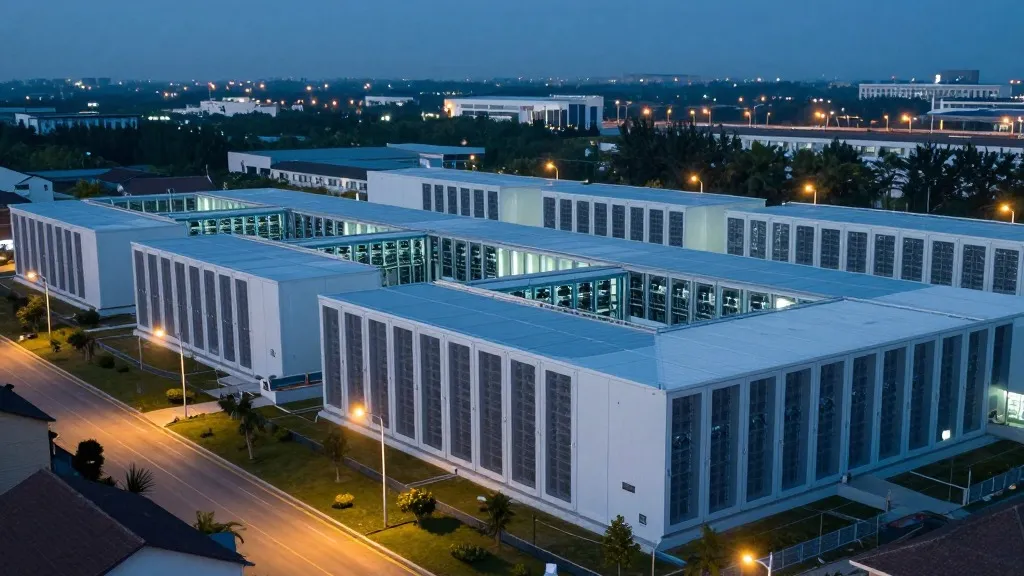
Residents living near new artificial intelligence facilities may soon see a change in their energy bills. The White House has directed large data center builders to share the benefits of their power generation with nearby communities. This move aims to stop local electricity prices from rising or even drive them down. It is a direct response to growing anger in small towns affected by these massive projects.
President Donald Trump outlined the plan in a recent Truth Social post. He stated that these facilities will be required to make their own power. Beyond just generating electricity, he said they must give or sell excess energy back to the local area. The administration wants to ensure these sites are not a financial burden on the neighborhoods that host them.
This mandate comes as local opposition to AI infrastructure grows. Communities across the country have protested the arrival of these centers. Complaints usually focus on high energy costs, noise, and water usage. There are also concerns about air quality and deforestation. By requiring a financial dividend, the government hopes to make these projects more acceptable to local voters.
The policy also connects to a recently passed act. That law already requires data centers to pay for necessary grid upgrades. This prevents local taxes from covering the cost of infrastructure changes. The new directive builds on that foundation. It focuses on the actual power supply. If centers produce more electricity than they use, that surplus should benefit the local grid and its users.
The administration views this as a strategic move. They are eager to stay ahead of China in the AI race. However, they also need to win back public favor. Making these companies pay something back is intended to ease the pain points for residents. It turns a potential liability into a community asset. The goal is to have more of these centers built quickly.
In his post, the President noted that unpopular data centers often become popular after a financial deal is struck. He urged companies to "MAKE DEALS" and get the projects built. He believes this approach will smooth the path for construction. It addresses the economic friction that has slowed down many planned sites.
It remains to be seen if this will fully satisfy local communities. Money helps, but it does not solve every issue. Water consumption and ecological damage are still major concerns. These factors often make data centers a difficult sell regardless of the financial terms. The coming months will show if this dividend structure is enough to calm the opposition.
Source: Tom's Hardware