Apple ramps up production of new foldable as demand surges
Supply chain data indicates a significant jump in manufacturing targets after initial pre-orders for the company's first folding smartphone caused immediate delivery delays.
By Juan Gonzalez ·
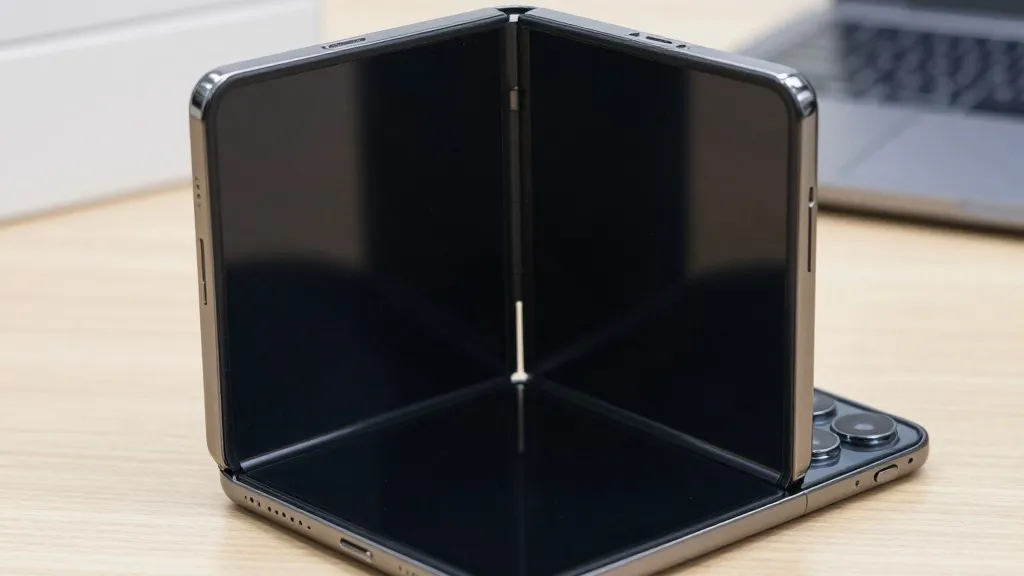
For consumers eager to get their hands on Apple’s first folding smartphone, the wait has already begun. When pre-orders opened earlier this week, many customers immediately saw their estimated delivery dates pushed into late January. While it was initially unclear whether these slippages were due to manufacturing bottlenecks or sheer popularity, new supply chain reports suggest the latter is the primary driver, with Apple significantly boosting its production numbers to keep up.
The immediate impact on buyers was visible within minutes of the pre-order window opening. Delivery estimates stretched out rapidly, prompting Apple to attribute the delay to "extraordinary" demand. Although the company frequently uses this terminology for its annual iPhone launches, the scale of the delay for this new form factor was notable. To manage the rush and combat scalpers, Apple implemented a limit of two units per customer, a measure that did not stop the initial surge in interest.
According to a report from DigiTimes citing supply chain sources, Apple has responded to this momentum by ramping up manufacturing. The company has raised its shipment targets for the first 12 months of the product's life from 9.7 million units to 14 million. This increase of more than 40% indicates that Apple expects the strong demand seen in the first few days to persist, rather than being a one-time spike. As a result, some early customers who initially saw January delivery dates have already been offered earlier shipping windows as production capacity expands.
Beyond the hardware logistics, early adopters are navigating a software ecosystem that is still adjusting to the new device. First-party reviews, based on a week of usage, consistently highlight app support as a key area for improvement. Many third-party applications have not yet been optimized for the folding screen, creating a gap in functionality for users. However, Apple states that the situation is improving rapidly as developers update their apps to accommodate the new display format.
Another point of discussion among early reviewers is the return to Touch ID for security, a change from the Face ID system used on recent flat-screen iPhones. While some users view this as a step back, industry watchers note that Apple is already testing prototypes for a second-generation device. Reports indicate that these "iPhone Duo 2" models are being evaluated with Face ID technology, suggesting that the company may be planning to reintroduce facial recognition in future iterations of the folding line.
The context of this production surge is part of a broader shift in how Apple approaches new product categories. The move to increase shipment targets so quickly after launch signals confidence in the market's appetite for foldable technology. As delivery dates begin to tighten and app compatibility improves, the focus will likely shift from the logistics of getting the device into hands to how well the software experience matures over the coming months.
Source: 9to5Mac